Yuen Law and SBF Workshop: Bringing Practical Legal Insights to the Wholesale Trade Industry
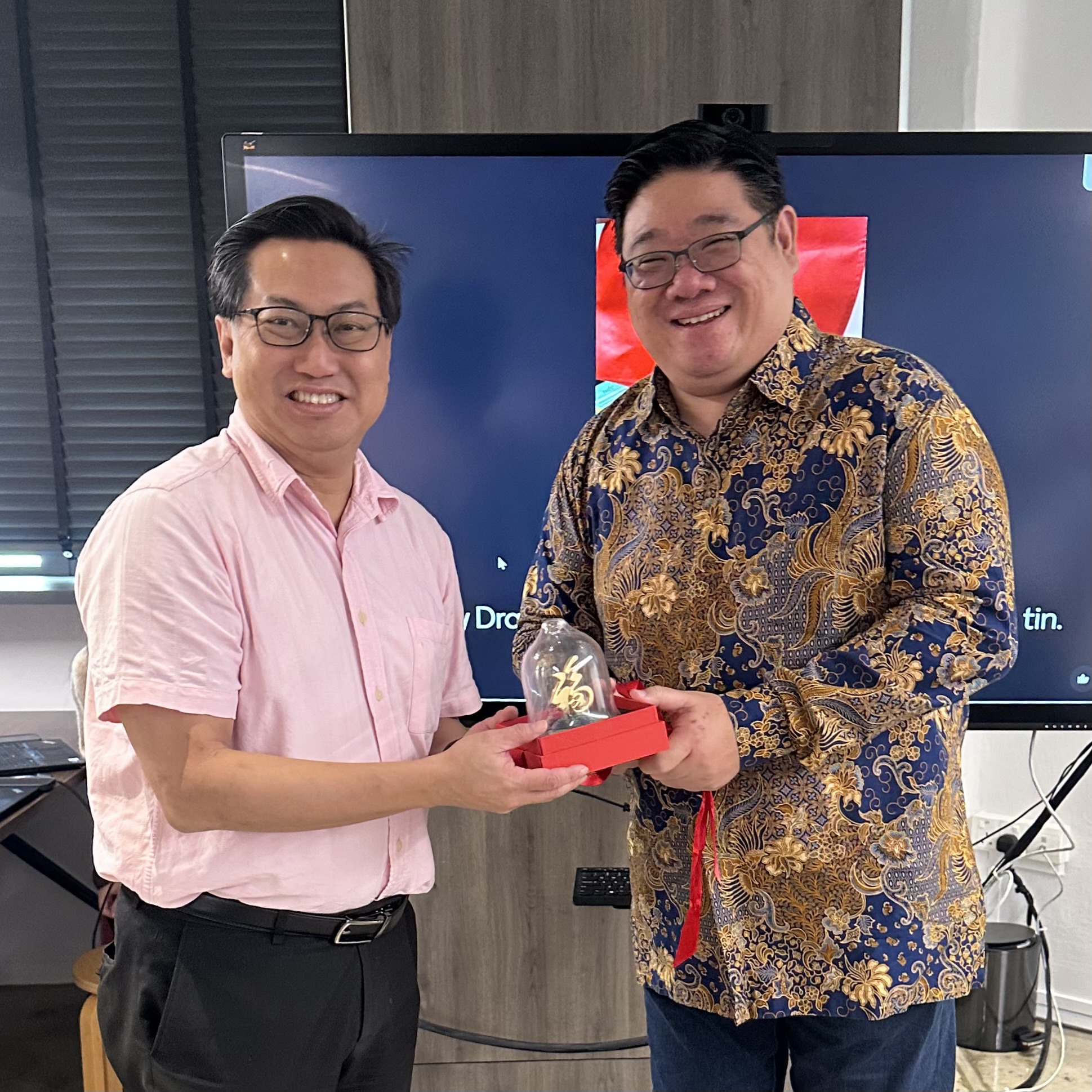
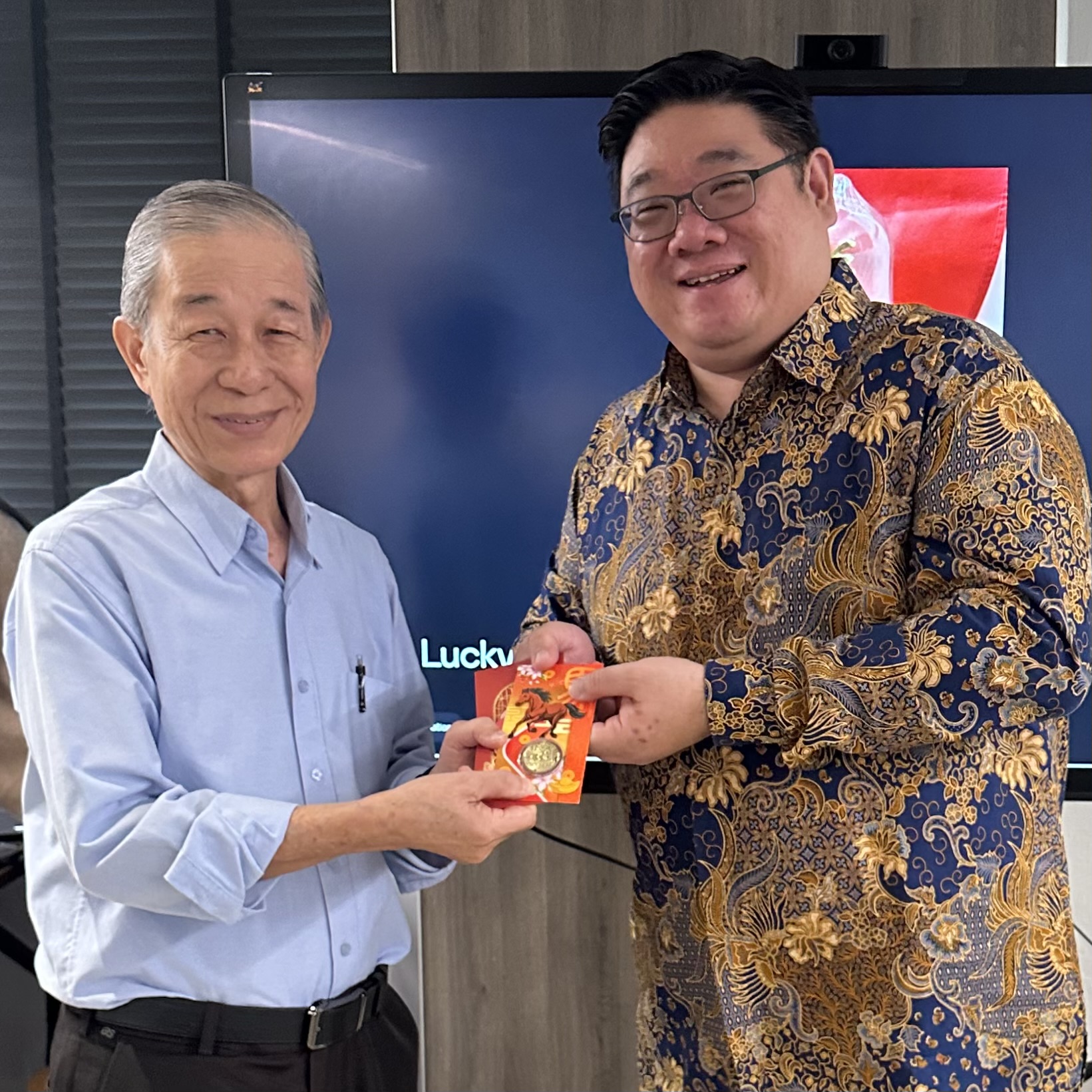
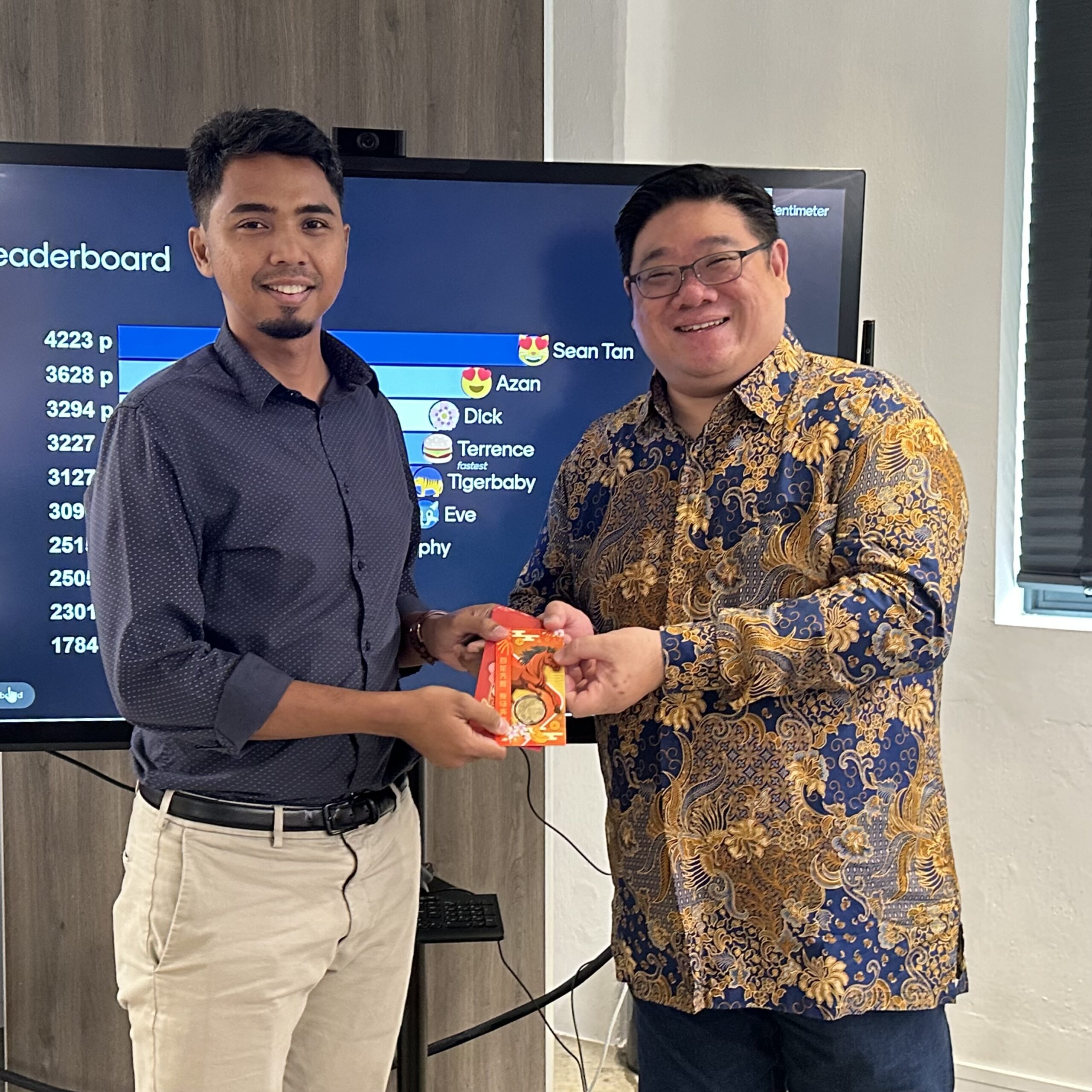
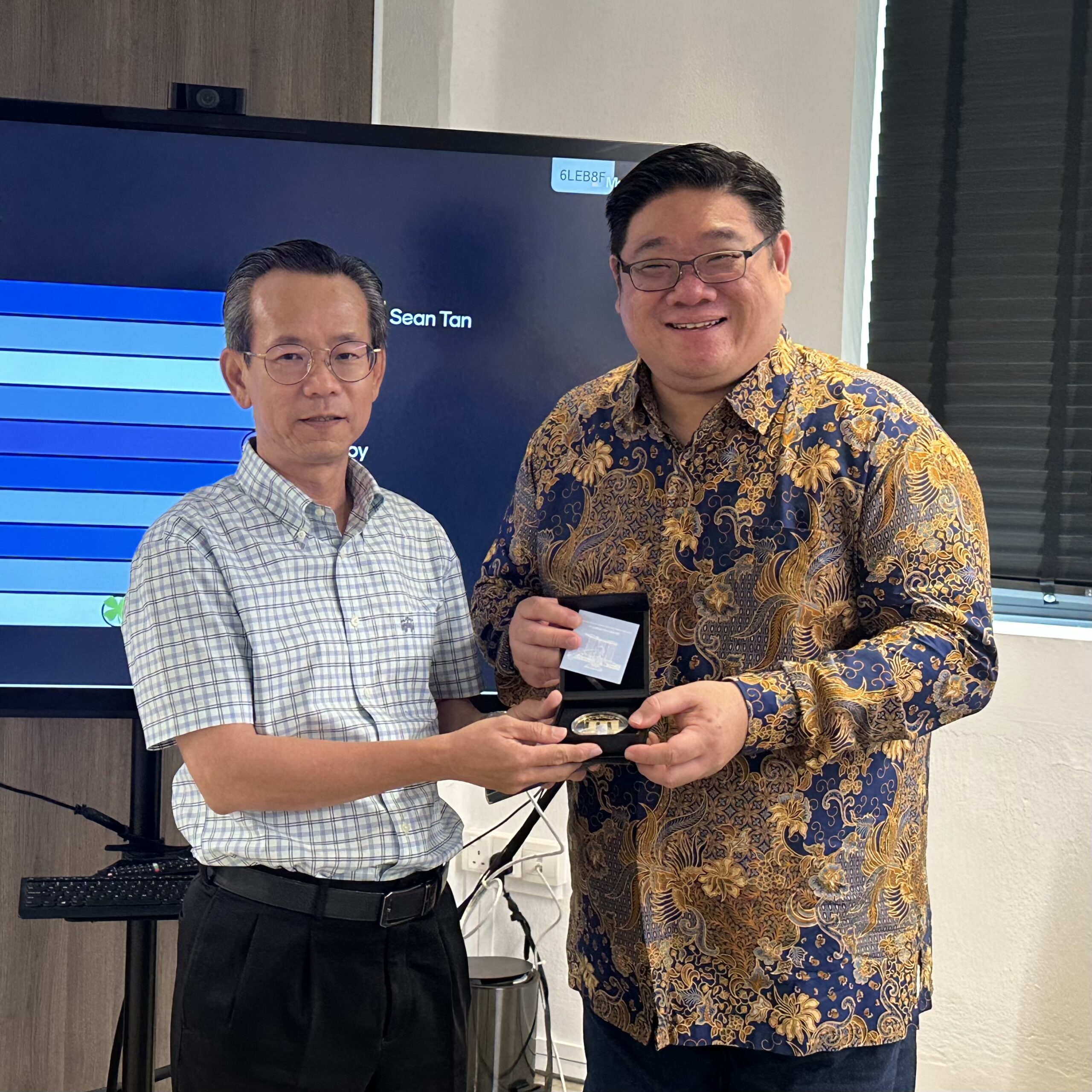
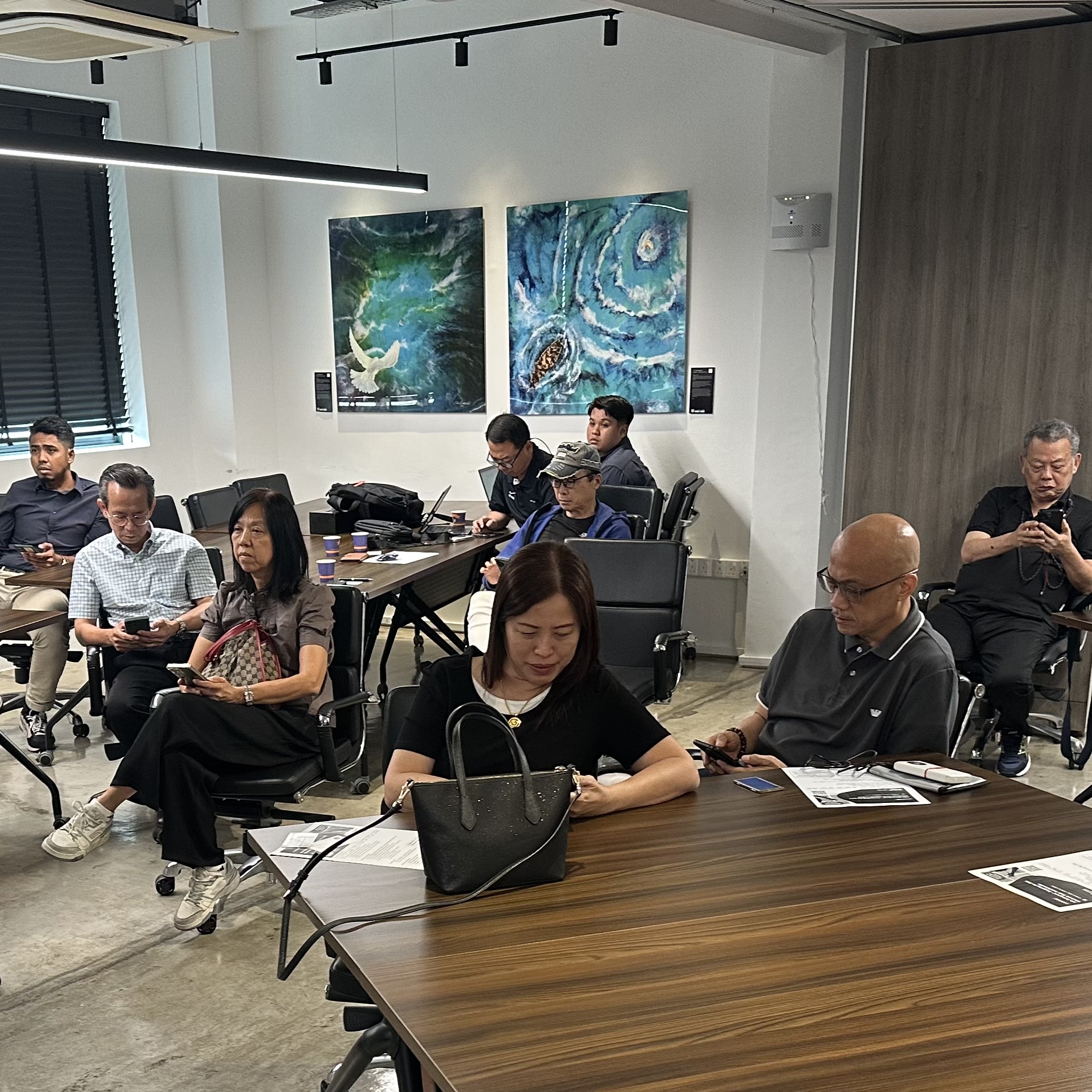
On 27 February 2026, Yuen Law was pleased to partner with the Singapore Business Federation (SBF), to host a session titled “Five Contractual Pitfalls in Wholesale Trade Contractual Agreements & the JSIT Clinic”. The event brought together business owners and industry participants from across the wholesale trade sector for an afternoon of practical discussion on the contractual risks that arise in day-to-day commercial dealings.
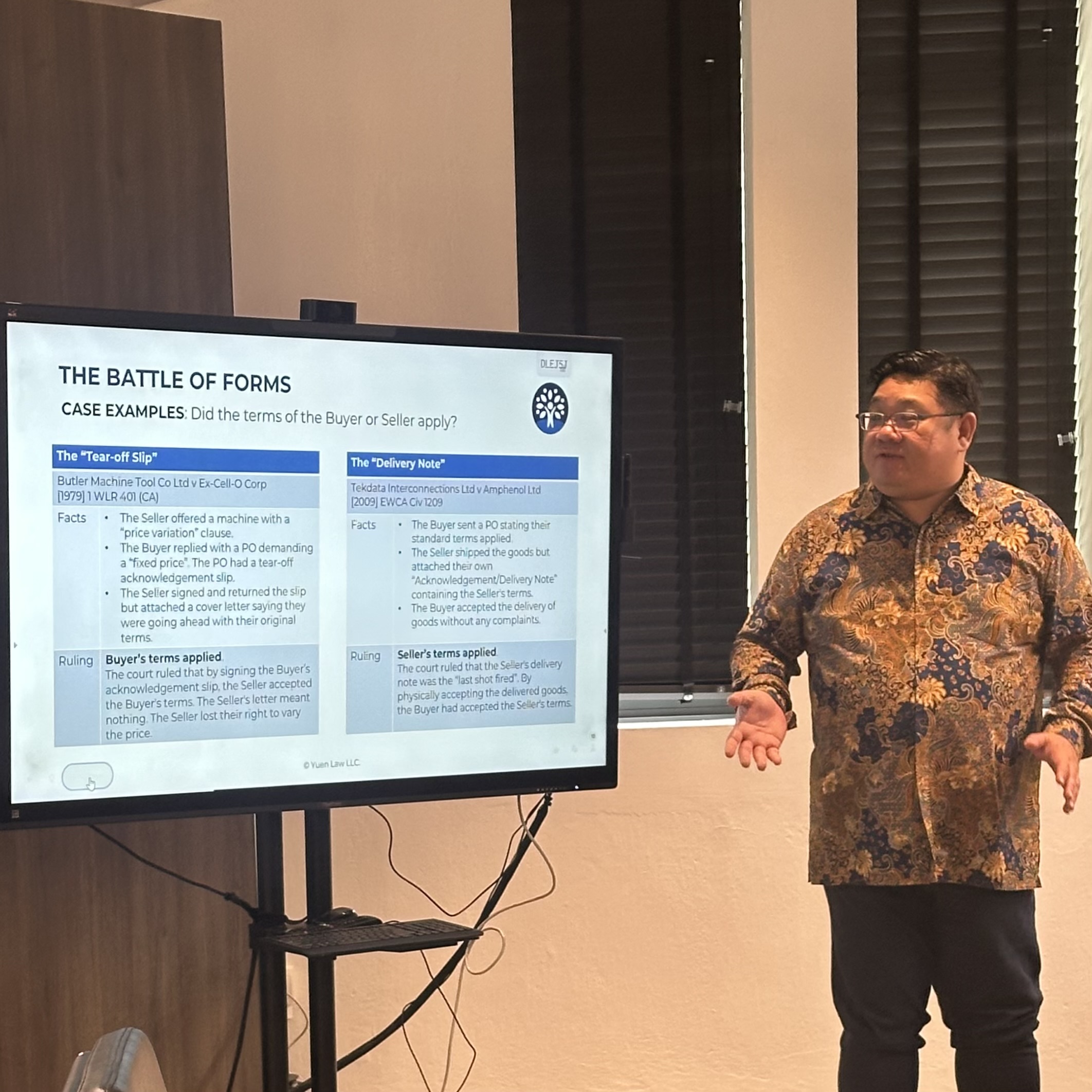
Samuel Yuen, Managing Director and Co-Head of Yuen Law’s Corporate Practice Group, shared practical insights on issues that commonly arise in wholesale trade transactions, particularly where agreements are entered into quickly, relying on standard documents, or where performance commence before negotiations are finalised.
The session generated lively discussion, and we were grateful for the active participation of all who attended. We set out below five key takeaways for businesses operating in the wholesale trade space.
5 Key Takeaways for Wholesale Businesses Entering Into A Supply Agreement in Singapore
1. Align Contractual Terms Across Standard Commercial Documents
One of the most common issues arises where parties exchange quotations, purchase orders, master supply agreements, invoices and delivery orders, each intending to contract on its own terms. This “battle of the forms” can create uncertainty as to which terms ultimately govern the agreement.
Businesses may proceed on the assumption that their terms apply, only to discover that a different set of terms may prevail when a dispute arises.
The Mirror Image Rule
Under Singapore contract law, an acceptance of the offer must match the terms of the offer (the “mirror image rule”), a response that departs from the offer’s terms is treated not as acceptance but as a counteroffer.
The Last Shot Rule
Where parties proceed to perform the contract despite exchanging competing set of terms, the “last shot rule” may determine which terms ultimately govern the contractual relationship.
The Case of Tekdata Interconnections Ltd v Amphenol Ltd [2009] EWCA Civ 1209
This principle was illustrated in Tekdata Interconnections Ltd v Amphenol Ltd [2009] EWCA Civ 1209. In this case, the buyer issued a purchase order stating their standard terms applied, the seller subsequently shipped the goods but attached their own acknowledgement and delivery note containing a set of terms. The buyer accepted the delivery of goods without objection.
The Court ruled that the seller’s delivery note was the “last shot fired” in the exchange of contractual terms. As the buyer accepted performance without challenging those terms, the seller’s terms were found to govern the contract.
The case highlights the importance of ensuring that contractual documentation is properly aligned at the outset.
Parties should take proactive steps to ensure that their preferred terms are expressly incorporated and accepted before performance begins, so as to avoid the risk of inadvertently becoming bound by the counterparty’s terms.
2. Define Performance Standards and Obligations Clearly
Terms such as “best endeavours”, “reasonable endeavours”, or “industry standard quality” are commonly used in commercial contracts because they offer a degree of flexibility and practicality. However, such expressions can be open to interpretation, especially where parties’ expectations diverge.
In the absence of clear benchmarks or definitions, enforcing these obligations becomes significantly more challenging, as courts must assess whether the standard has been met based on objective criteria and the specific context of the contract.
What the Court Said “Best Endeavours” Meant in Jet2.com v Blackpool Airport
In Jet2.com Ltd v Blackpool Airport Ltd [2012] EWCA Civ 417, the English Court of Appeal examined the scope of a “best endeavours” obligation in a commercial agreement between a low-cost airline and an airport operator. The airport had agreed to use its best endeavours to promote Jet2’s services and accommodate its flight schedule, including operations outside normal opening hours.
When the airport later sought to restrict operating hours on the basis that the extended hours were financially unprofitable, Jet2 claimed this breached the obligation. The court agreed, holding that a best endeavours clause may require a party to take steps that are commercially disadvantageous, including accepting some financial loss, where necessary to fulfil the contractual objective. A party cannot rely on its own convenience or profitability where doing so would undermine the purpose of the agreement.
The Courts require that contractual terms be sufficiently certain and complete to be enforceable. Where a term is too vague or leaves essential matters to be agreed in the future, it may be struck down as an “agreement to agree” or for uncertainty.
Best Practices for Wholesale Supply Agreement
Parties should consider defining obligations in relation to performance standards and timelines by:
- Defining what constitutes “best endeavours”, “reasonable time”, or “industry standard quality” by specifying objective criteria or steps required to fulfil the obligation; and
- Set out clear benchmarks, deadlines, or measurable standards against which performance may be assessed, and whether a party is expected to incur costs in fulfilling it, the extent of such costs, and whether pursuing legal proceedings or appeals would be required to meet the obligation.
3. Ensure Liquidated Damages Compensate, Not Operate as Penalties
Even when parties have reached agreement on contractual terms, enforceability is not assured. The distinction between “Liquidated Damages” and “Penalty” clauses are particularly relevant here.
Liquidated Damages VS Penalty Clauses
Penalty Clauses
Under Singapore law, clauses that impose disproportionate consequences, whether by way of excessive penalties or punitive interest, are open to challenge. Businesses should not assume that agreed terms will invariably be given effect.
Liquidated Damages
A liquidated damages clause will be upheld where it represents a genuine pre-estimate of loss flowing from the relevant breach. The Courts do not require that estimate to be exact but will refuse to enforce any clause where the stipulated sum is extravagant or unconscionable in light of the breach. This may arise, for example, where a party’s only default is a failure to pay money, yet the clause requires repayment of a substantially greater sum.
When Interest Payments Maybe Considered a Penalty
In Ethoz Capital Ltd v Im8ex Pte Ltd and others [2023] SGCA 3, the Court of Appeal held that a clause requiring the immediate and full payment of “Total Interest” was subject to the penalty doctrine.
The clause required the borrower to pay all interest that would have accrued over the full term of the loan, even if the borrower defaulted early and no longer had the benefit of the loan sum. The Court found this to be extravagant and unconscionable, as the amount payable significantly exceeded the lender’s actual loss at the time of default.
The Court also held that the default interest rate, which was substantially higher than the contractual rate, amounted to a penalty.
4. Do Not Cause a Breach Before an Actual Breach Has Occurred
A common pitfall arises when a party terminates a contract before an actual breach has occurred. This typically happens where the innocent party assumes that the counterparty will not perform and treats the contract as terminated based on an alleged anticipatory breach.
However, if the Court later finds that the counterparty’s conduct did not amount to a clear refusal to perform its contractual obligations, the terminating party may itself be liable for wrongful termination and damages.
When can you then terminate for anticipatory breach?
The law recognises that a party should not always have to wait until the date of performance before taking action. However, termination for anticipatory breach will generally only be justified where there is:
- Clear and unequivocal refusal to perform: The other party has demonstrated a clear intention not to perform its contractual obligations. This may be expressed directly or inferred from conduct, including where the party has disabled itself from performing the contract; and
- Failure to perform that contractual obligation when it fell due for performance would entitle the innocent party to terminate the contract.
The law is pragmatic and recognises that it would be commercially impracticable, economically inefficient, and unjust to require an innocent party to wait until the other party fails to perform a contractual obligation in order to be entitled to a remedy.
Nevertheless, the threshold for establishing anticipatory breach remains high, and parties should exercise caution before terminating on this basis.
5. Treat Termination Clauses as a Strategic Exit Plan
A well-drafted exit provision is a critical aspect of prudent risk management in commercial contracts. Its primary purpose is to allow parties to mitigate operational disruption and limit financial exposure of if the business relationship deteriorates. Here are some common exit mechanisms by which a contract may be brought to an end:
Examples of Termination Clauses
- Termination for convenience: Allows a party to terminate without needing to prove any breach, typically upon giving notice. It is the cleanest and most commercially flexible exit available, and its inclusion is particularly where business needs are likely to evolve over the contract term.
- Termination for cause: Protects a party where the counterparty materially fails to perform its obligation. A well-drafted clause of this kind should define what constitutes a material breach, specify any cure period afforded to the defaulting party, and set out the consequences that follow.
- Force Majeure: Force majeure addresses adituations where unforeseen events beyond parties’ control, making performance impossible or commercially impractical. Recent geopolitical tensions in the Middle East have disrupted major shipping routes, prompting several companies to invoke force majeure provisions in supply contracts.
Beyond the trigger for termination, contracts should also provide for an orderly transition once the relationship comes to an end. This is particularly important in complex or embedded supply agreements, where an abrupt exit can cause significant operational disruption to both parties.
Best practice is to include a dedicated exit or termination assistance period, during which, the parties cooperate to ensure continuity. The contract should also address post-termination obligations expressly, including the handling of outstanding stock, intellectual property, and confidential information.
Q&A Session: Contractual Questions from Real Businesses
The session sparked thoughtful questions from attendees, with Managing Director Samuel Yuen addressing a series of legal and commercial concerns commonly faced by businesses. Issues relating to C0ntractual terms, enforcement, payment disputes, and corporate liability considerations were covered:
- What if a customer sends different terms after quotation?
- Can a contract be voided if the signer has left the company?
- Can payment terms change after the contract is signed?
- Can a US arbitral award be enforced in Singapore?
- Can a company wind up without the owner declaring bankruptcy?
We extend our appreciation to the Singapore Business Federation (SBF) for the opportunity to collaborate on the session and to support businesses in navigating common contractual challenges.
About the Singapore Business Federation (SBF)
SBF is the apex business chamber championing the interests of the Singapore business community in the areas of trade, investment and industrial relations. It represents more than 34,000 companies, as well as key local and foreign business chambers.